
We are pleased to announce the general rollout of "Salute-kun's Analysis," which has been in trial operation. To carefully monitor and manage server load, access to this feature will be granted gradually, starting with users with older account registrations. If you would like early access to try this feature right away, please reach out to us via the contact form on our official website.
Topics
Past topics here ➔Based on user feedback up to September 2026, we have updated the algorithm computing "Today's Depression and Anxiety Score." Future logins will reflect these updates. For details, see the Algorithm Revision Log.
Our study evaluating the effectiveness of our app has been published in the Journal of Medical Internet Research (JMIR)! The artcile is here. Press Release (Kitasato Univ.) is also available
We will be conducting maintenance on Tuesday, July 28, 2026, starting from 11:00 AM to switch our GPU cloud environment. During this switch, service is expected to be temporarily unavailable for approximately 30 minutes. We apologize for the inconvenience and appreciate your understanding.
The Department of Public Health, Kitasato University School of Medicine, which operates and manages this app, will conduct a new research using app user log data. This project has recently received approval from the Kitasato University Medical Ethics Organization. If you do not wish to consent, please contact us following the opt-out procedure on our lab website.
The Department of Public Health, Kitasato University School of Medicine, which operates and manages this app, is conducting research using app user log data. The data usage period was renewed and approved by the Ethics Committee. If you do not wish to consent, please contact us following the opt-out procedure on our lab website.
App Installation
ASHARE is free to install and use (excluding standard data communication fees). Supported OS versions are as follows:
System Requirements: iOS version: iOS 15.0 or higher / Android version: Android 8.0 or higher


⚠️ Important: Data Sync Requirements Before Use
To use this app, you must install Apple Health for iOS, or Google Fit and Health Connect for Android, and link your physical activity data with ASHARE.
From Android version 4.0.1, specifications have been updated to connect ASHARE via Health Connect. Official guide for connecting Google Fit and Health Connect can be found here. For visual guides with step-by-step screenshots, please visit our Preparation Guide page.
Features and Purpose of ASHARE
ASHARE is designed to promote physical activity among workers and assist in preventing mental health difficulties. By utilizing artificial intelligence (AI), it estimates your next-day depression and anxiety levels based on your physical activity patterns and work-style information.
What You Can Achieve Through ASHARE
- Monitor your own physical activity patterns and mood trends
- Understand the close relationship between physical activity and mental health
- Aim to modify and improve your future physical activity habits
- Achieve a well-paced, calm, and balanced daily routine
*ASHARE is not a medical device intended for treating diseases. It is developed to assist in the primary prevention of mental health issues among working individuals.
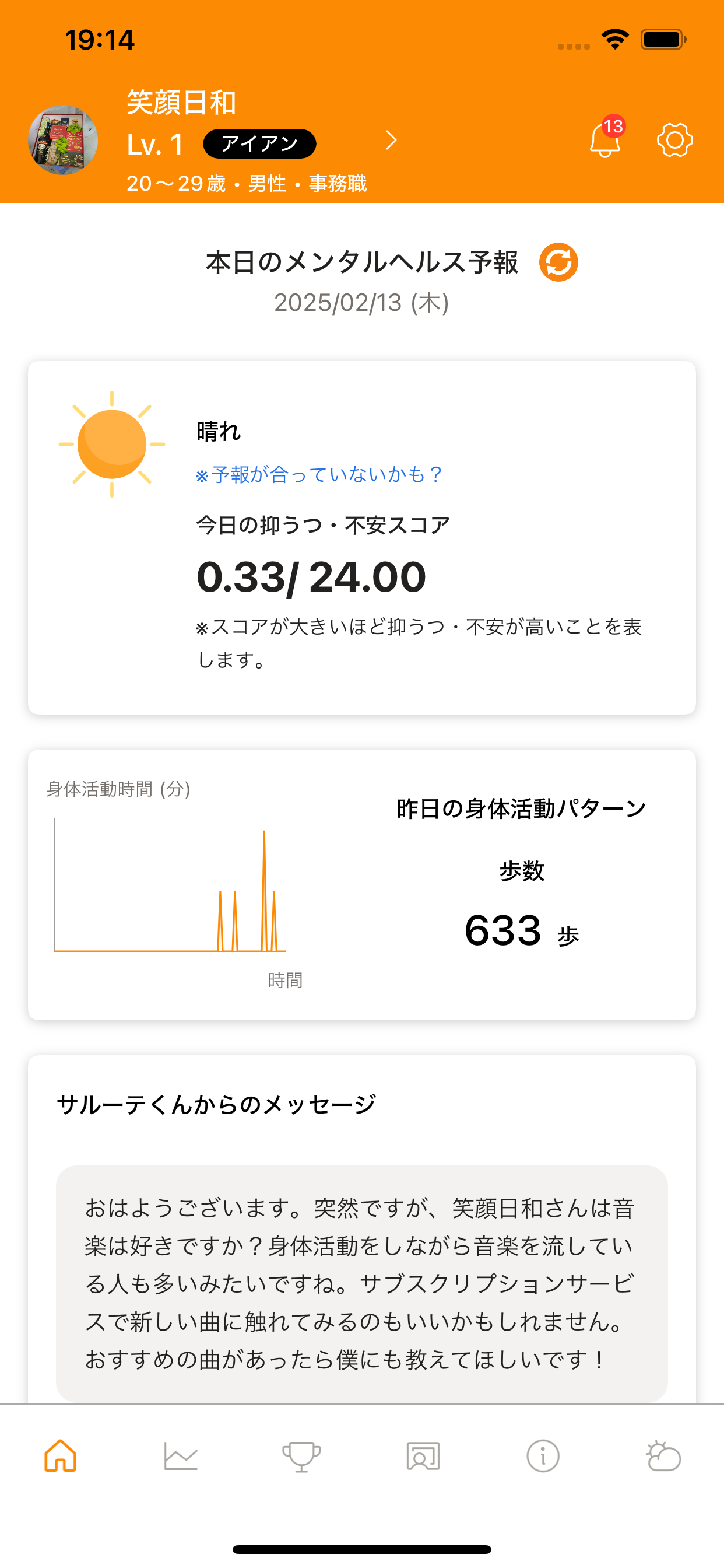
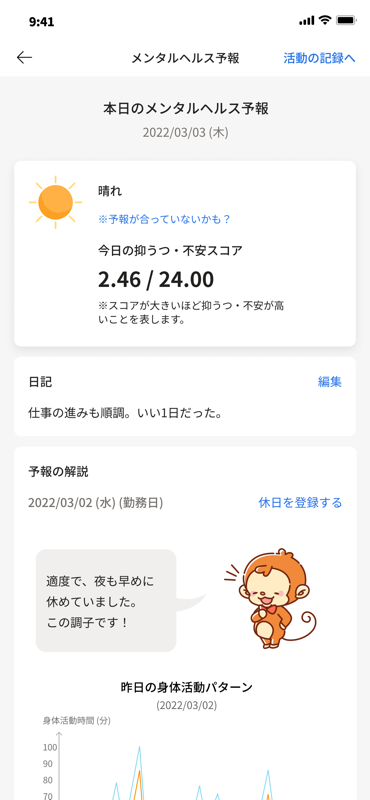
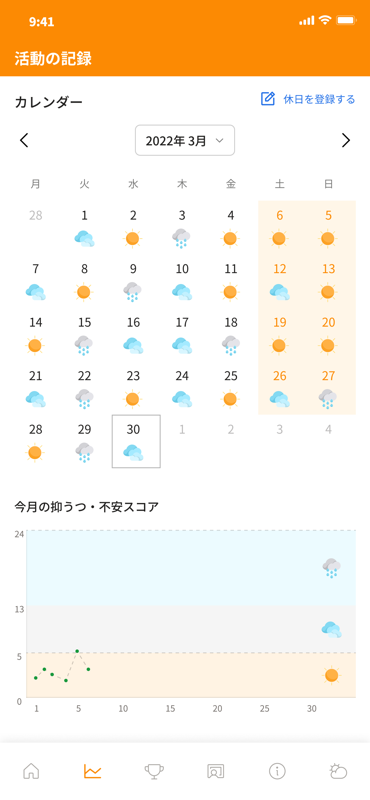
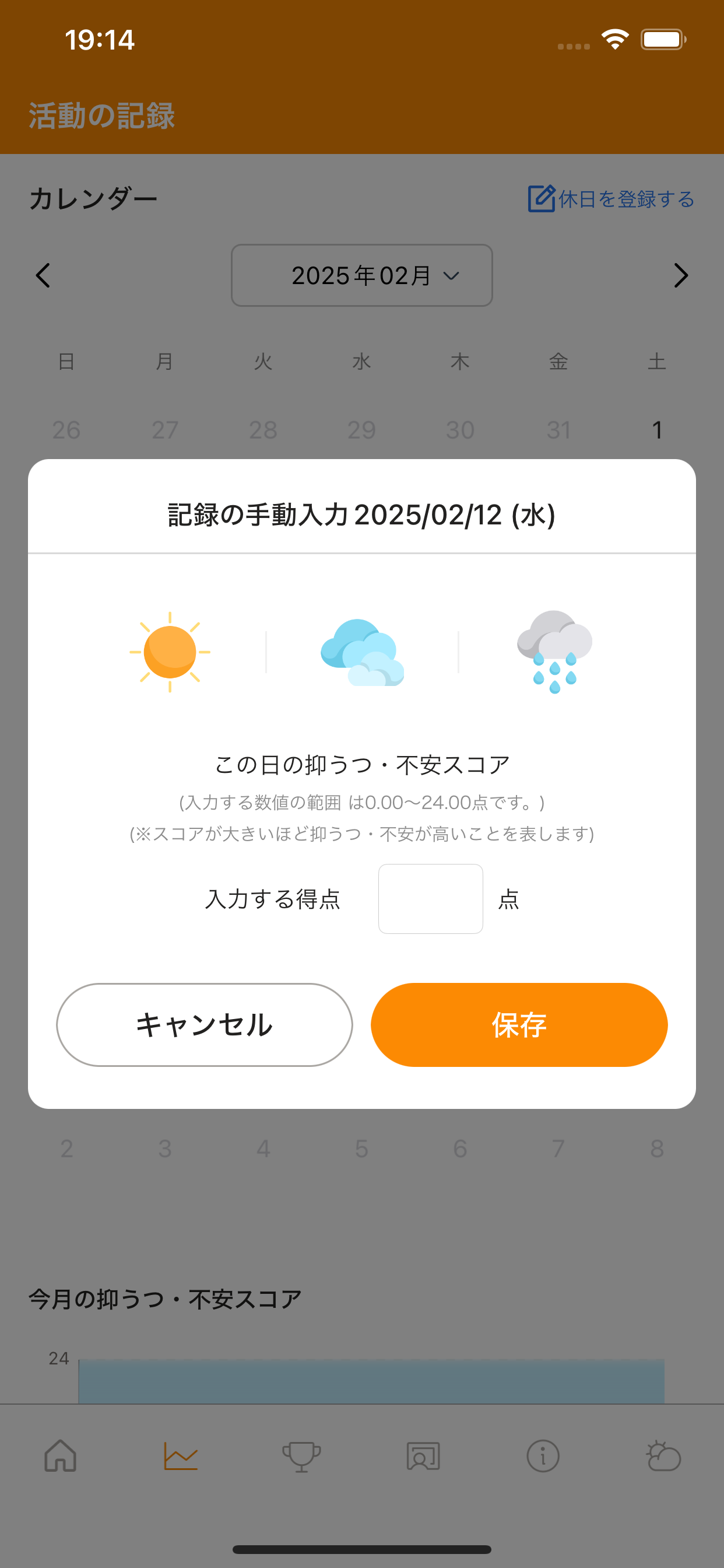
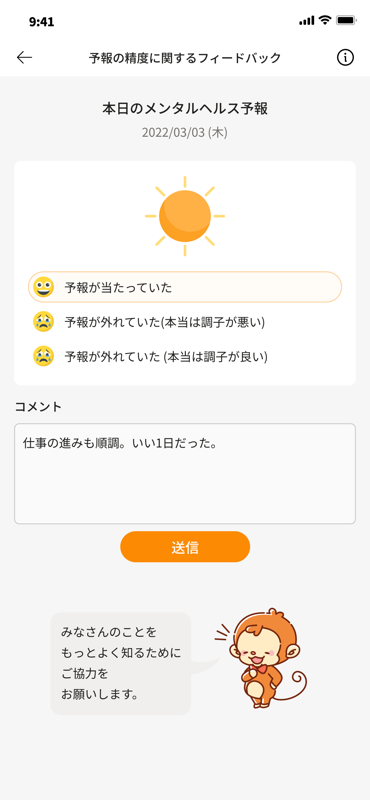
Based on physical activity metrics recorded on your smartphone along with demographic attributes (age, sex) and employment status, the app predicts your next-day mood in three intuitive stages: "Sunny," "Cloudy," or "Rainy," powered by AI technology. ASHARE also provides tailored feedback comments based on these predicted results.
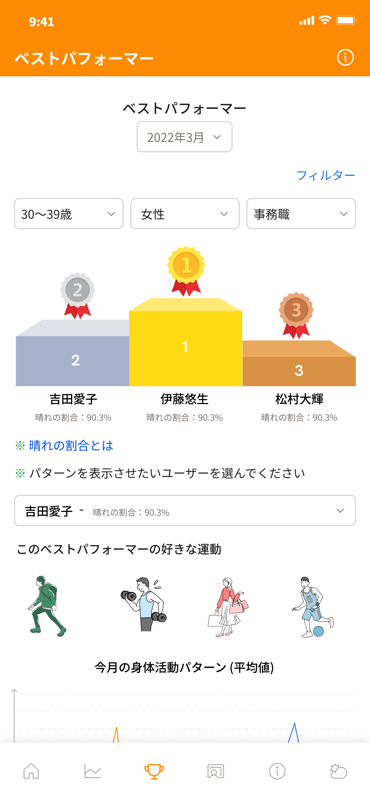
Prediction results and physical activity data can be shared among users upon request. You can view data from other workers sharing similar characteristics (age group, occupation, employment type, preferred physical activities, etc.). Users who consistently maintain low levels of depression and anxiety are aggregated as "Best Performers," allowing others to reference their beneficial physical activity patterns.
How the Mental Health Weather Forecast Works
During the development process, a deep learning model (AI) was built to predict next-day depression and anxiety levels. The model was trained using a dataset containing approximately 3.5 years of workers' physical activity metrics, employment data, and recorded next-day depression/anxiety scores. The model predicted participants' daily depression and anxiety levels with an overall accuracy of 76.3%, demonstrating a high accuracy of 81.6% specifically for predicting mentally healthy states.
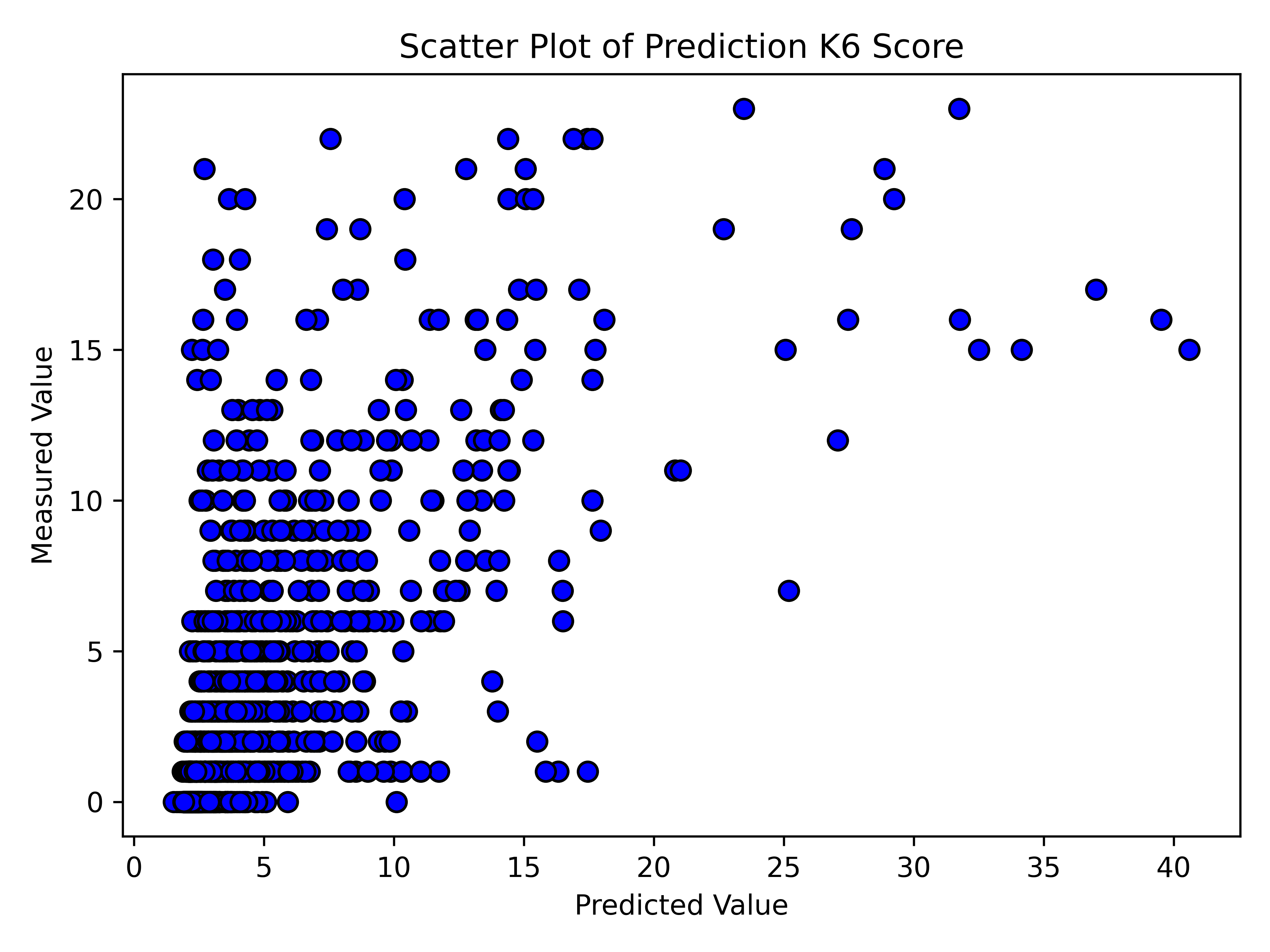
The figure above illustrates prediction accuracy for depression and anxiety scores within the test dataset. Correlation between the deep learning model's predicted values (horizontal axis) and measured values (vertical axis) was 0.679±0.05 (R2=0.463±0.07), explaining over 45% of variance in depression and anxiety scores.
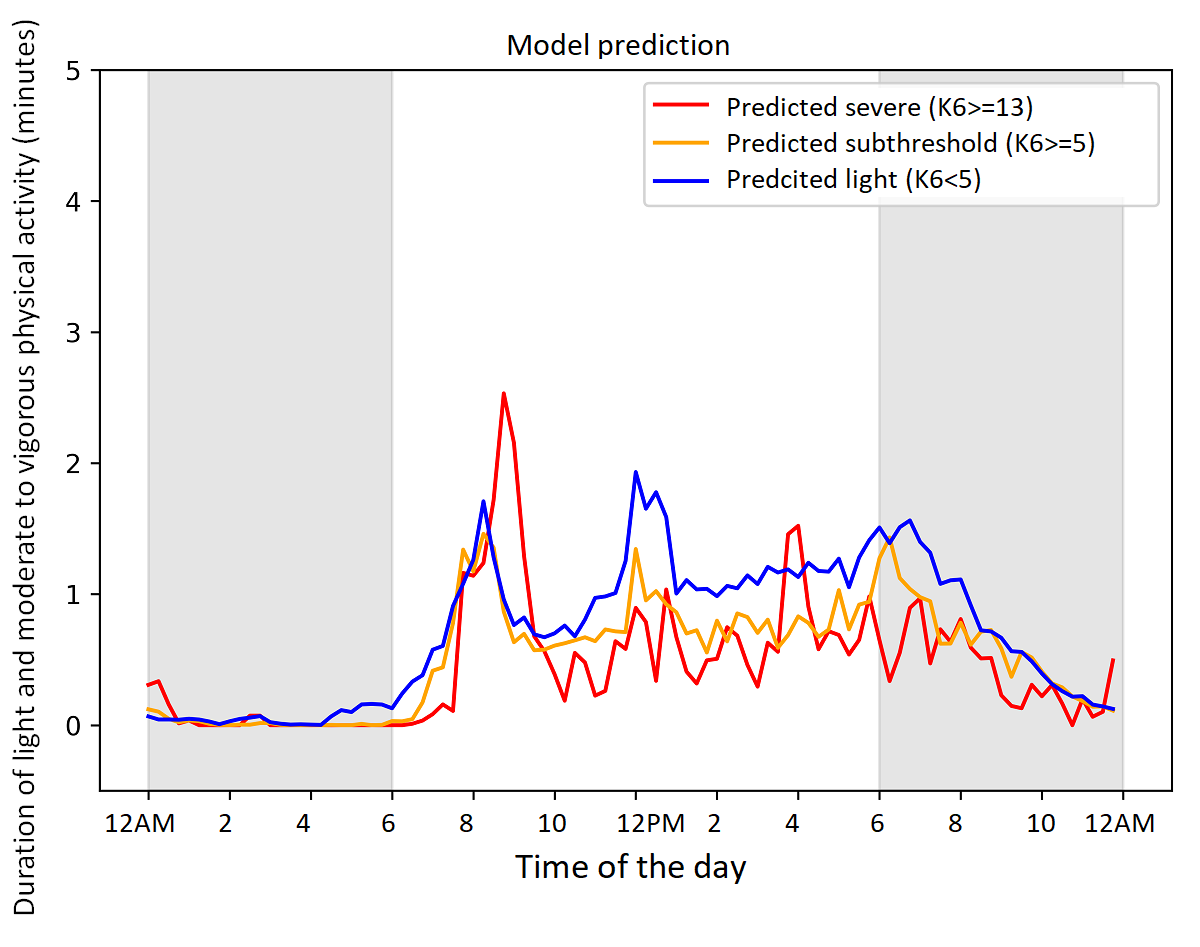
The figure above plots average duration of physical activity on the preceding day, categorized by next-day depression/anxiety levels predicted by the model. The blue plot (mild/healthy next-day level) shows activity peaks of about 10 minutes occurring in the morning (7–9 AM), around lunchtime (12 PM), and in the evening (6–7 PM), reflecting a healthy daily rhythm. Conversely, orange (subthreshold) and red (severe) plots reveal fewer peaks and shorter overall activity durations.
For detailed mechanism specifications, please refer to our published peer-reviewed paper: Watanabe K, Tsutsumi A. JMIR Form Res. 2022;6(11):e40339. doi: 10.2196/40339.
Algorithm Revision Log
1st Revision (2025.06.19)
Fine-tuning was conducted using 545 days of user feedback data collected from February 2023 to May 2025.
- Accuracy using original paper data as test data: Accuracy 80.5%, correlation between predicted and measured values: 0.673 (R2=0.452)
2nd Revision (2025.12.15)
Fine-tuning was conducted using 2,819 days of user feedback data collected from May 2023 to October 2025.
- Accuracy using original paper data as test data: Accuracy 79.9%, correlation between predicted and measured values: 0.668 (R2=0.446)
3rd Revision (2026.05.22)
Fine-tuning was conducted using 1,633 days of user feedback data collected from October 2025 to April 2026.
*As qualitative differences have emerged between actual app usage data and the original published paper dataset, separate results are reported from this update forward.
- Accuracy using app user test data: Accuracy 80.4%, correlation between predicted and measured values: 0.745 (R2=0.555)
- Precision (Positive Predictive Value): 86.6% for mild/healthy, 72.7% for subthreshold, 77.8% for severe
- Recall (Sensitivity): 82.3% for mild/healthy, 78.8% for subthreshold, 75.0% for severe
- Accuracy using original paper data as test data: Accuracy 81.7%, correlation between predicted and measured values: 0.647 (R2=0.419)
- Precision (Positive Predictive Value): 90.1% for mild/healthy, 48.5% for subthreshold, 100.0% for severe
- Recall (Sensitivity): 89.4% for mild/healthy, 61.1% for subthreshold, 14.3% for severe
4th Revision (2026.10.10)
Fine-tuning was conducted using 736 days of user feedback data collected from April 2026 to September 2026.
- Accuracy using app user test data: Accuracy 83.1%, correlation between predicted and measured values: 0.919 (R2=0.845)
- Precision (Positive Predictive Value): 90.1% for mild/healthy, 71.7% for subthreshold, 81.0% for severe
- Recall (Sensitivity): 88.0% for mild/healthy, 73.3% for subthreshold, 85.0% for severe
- Accuracy using original paper data as test data: Accuracy 83.5%, correlation between predicted and measured values: 0.630 (R2=0.397)
- Precision (Positive Predictive Value): 90.0% for mild/healthy, 53.3% for subthreshold, 100.0% for severe
- Recall (Sensitivity): 92.1% for mild/healthy, 59.3% for subthreshold, 14.3% for severe
App Effectiveness Evaluation
📊 We are currently recruiting corporate partners to participate in our effectiveness validation study.
For details, please visit our Research Participation page.
Physical Activity and Mental Health
Promoting physical activity is widely recognized as effective for treating and preventing depression and anxiety.
Previous studies demonstrate that maintaining high physical activity levels reduces the risk of developing depression by approximately 20%. The standard benchmark for "high physical activity" is often defined as engaging in at least 150 minutes per week of moderate-to-vigorous activity (activities slightly raising heart rate, equal to or above walking intensity). However, even shorter durations help improve depressed mood and anxiety, provided activity time is maximized whenever possible.
Particularly, leisure-time physical activity shows a stronger association with mood improvement compared to occupational or transport-related activity, making it highly recommended for stress relief and fulfillment. Conversely, work-related physical activity may not contribute to mood improvement and could potentially impose a physical or mental burden.
【Supporting Literature】
- Singh B, et al. Br J Sports Med. 2023;57(18):1203-9. doi: 10.1136/bjsports-2022-106195.
- Schuch FB, et al. Am J Psychiatry. 2018;175(7):631-648. doi: 10.1176/appi.ajp.2018.17111194.
- Mammen G, Faulkner G. Am J Prev Med. 2013;45(5):649-57. doi: 10.1016/j.amepre.2013.08.001.
- White RL, et al. Am J Prev Med. 2017;52(5):653-666. doi: 10.1016/j.amepre.2016.12.008.
App-Related Research & Publications
We are actively evaluating the effectiveness of this app in promoting physical activity and improving mental health outcomes. Publication listings are updated periodically.
In our 2026 validation paper (Item 5 in the publication list above), we reported findings from a randomized controlled trial evaluating the effectiveness of the app.
Key Findings
- Demonstrated Mental Health Benefits of a Standalone Smartphone App Intervention: Using "ASHARE"—an app that passively (automatically) monitors physical activity such as step count along with mental health—led to a significant reduction in psychological distress after three months of use.
- Greater Efficacy in Individuals with Initially Lower Distress: The app's benefits were more pronounced among participants with lower baseline levels of psychological distress (K6 Japanese version [※] score below 5), demonstrating its potential to suppress increases in psychological distress.
※ K6 Japanese version: A validated and reliable screening scale used to assess psychological distress. A score of 5 or higher is recognized as the cutoff point for clinically significant psychological distress. - Short-Term and Modest Effects: The reduction in psychological distress was modest, and distress levels returned to baseline after participants discontinued app usage. Sustaining long-term benefits will require strategies to promote continuous engagement.
Study Details & Results
In this study, we conducted a randomized controlled trial involving 793 Japanese workers to evaluate the effectiveness of the ASHARE app. Participants were randomly assigned to either the intervention group (397 participants who used the ASHARE app for three months) or the control group (396 participants who received an informational booklet on stress management). Changes in psychological distress and physical activity levels were subsequently monitored.
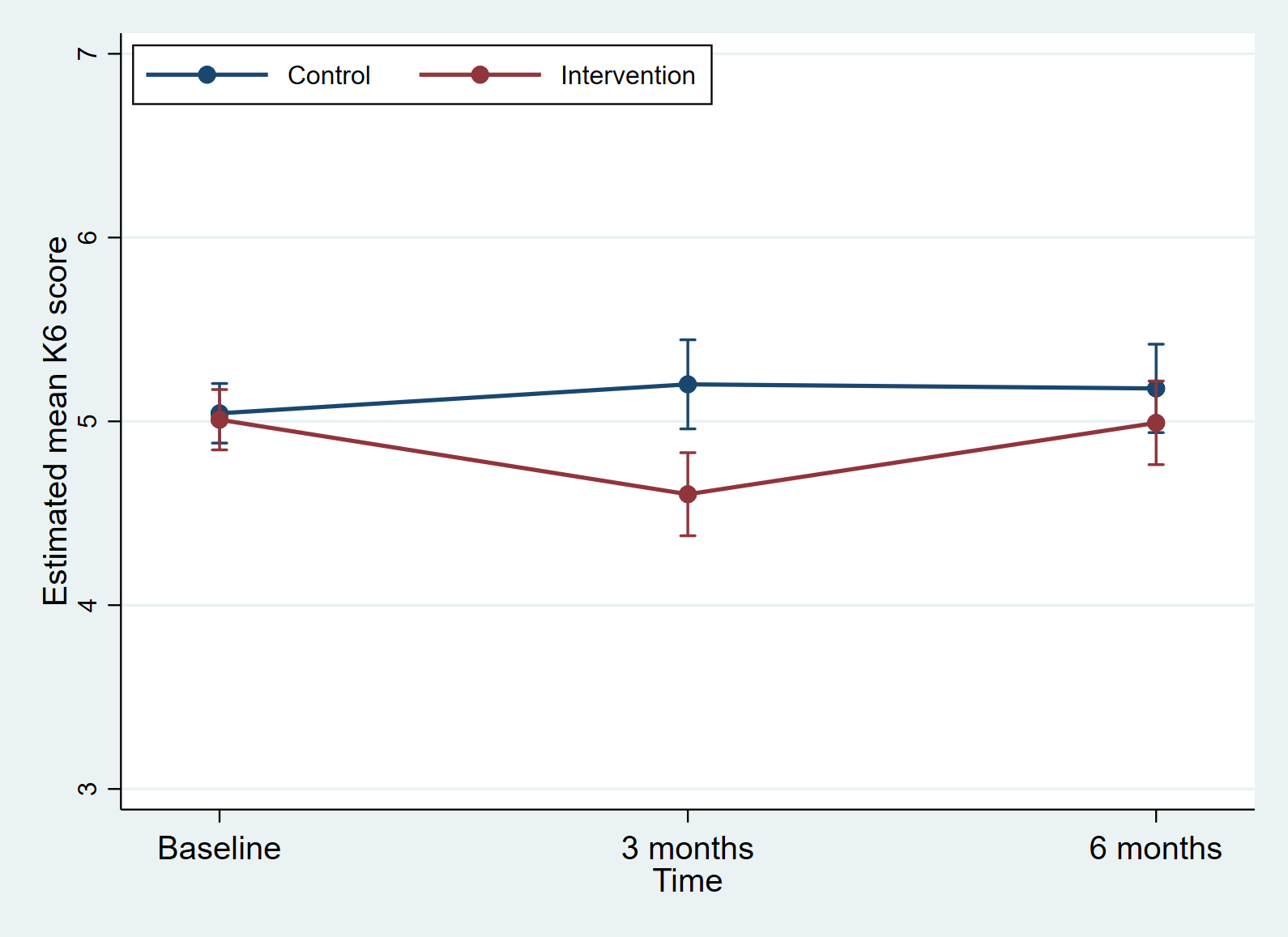
At the 3-month follow-up, the app-intervention group showed a 0.56-point decrease in psychological distress scores compared to the control group, representing a statistically significant difference between the two groups.
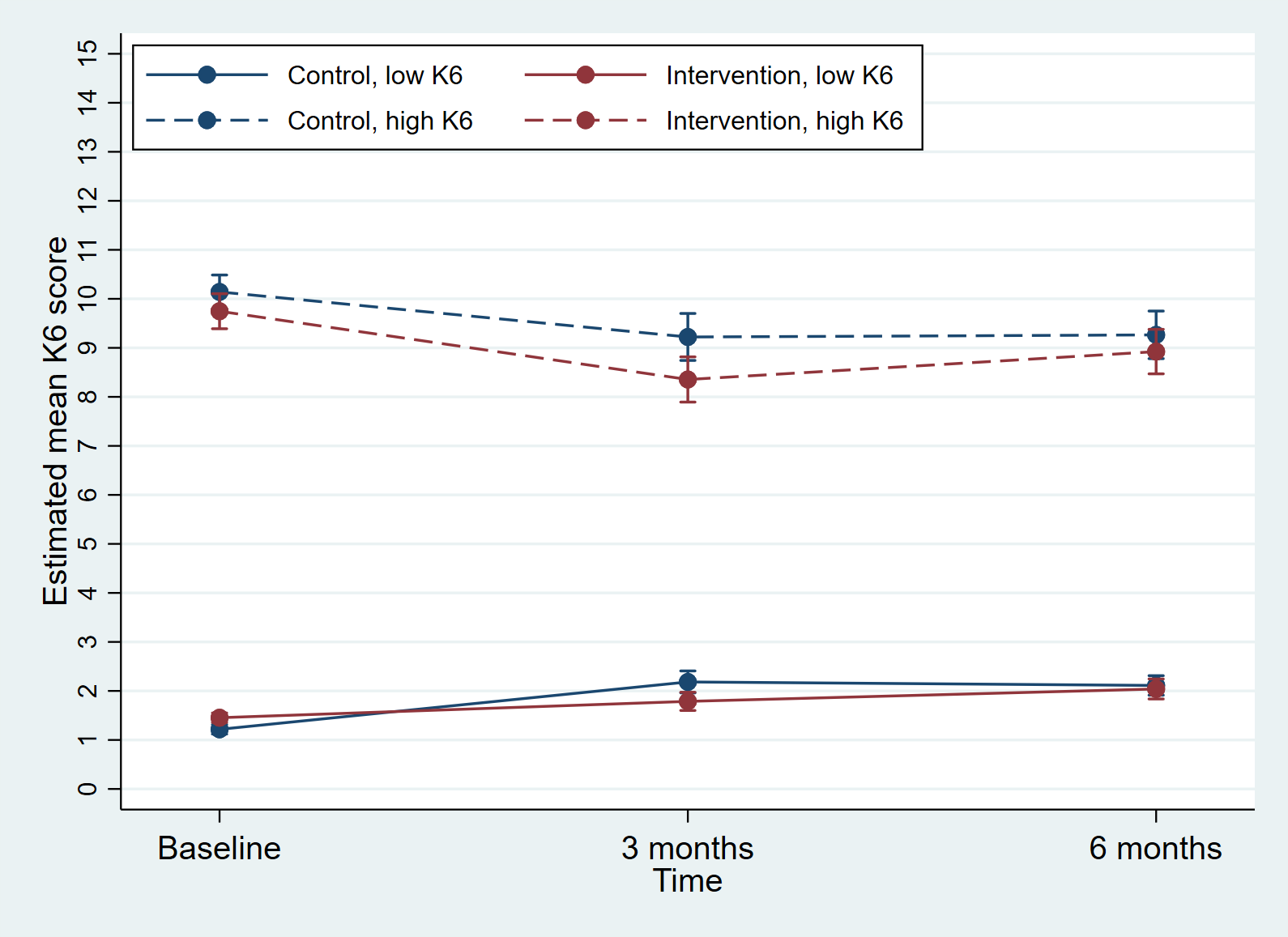
Furthermore, stratified analysis based on baseline psychological distress levels revealed that the app was more effective among individuals with low initial distress (K6 Japanese version score < 5). For this group, using the app successfully mitigated the increase in psychological distress at the 3-month mark compared to the control group.
Future Directions
This study demonstrates that passive monitoring of physical activity and psychological distress via a smartphone app holds promise for primary prevention—preventing mental health issues before they arise among working populations.
However, the reduction in psychological distress was modest, meaning users might not clearly perceive the benefits on an individual level. Additionally, during the optional-use period from months 3 to 6, app retention dropped sharply, and the distress-reducing effect disappeared by month 6. Because continuous app usage is essential to sustain benefits, future research must explore strategies to boost long-term engagement. Furthermore, app usage did not produce a measurable increase in physical activity levels, leaving the underlying mechanism of distress improvement unconfirmed. More objective and precise physical activity measurements will be needed to clarify these mechanisms.
Naturally, continuously enhancing the core features and quality of the app itself is also paramount. We will continue refining ASHARE's prediction accuracy and expanding its functional capabilities.
Testimonials
We asked users about the appeal and practical benefits of utilizing ASHARE.

Interview
"It's not just about step counts. It serves as a morning reminder that 'body and mind are connected.'"
Dr. Hisashi Eguchi, UOEH

Interview
"It helps me notice patterns in my mood. Combining physical activity with mental health is a very fresh approach."
Ms. Keiko Akagawa, Toyohashi Rail Road Co.,Ltd.
Data Collection and Privacy
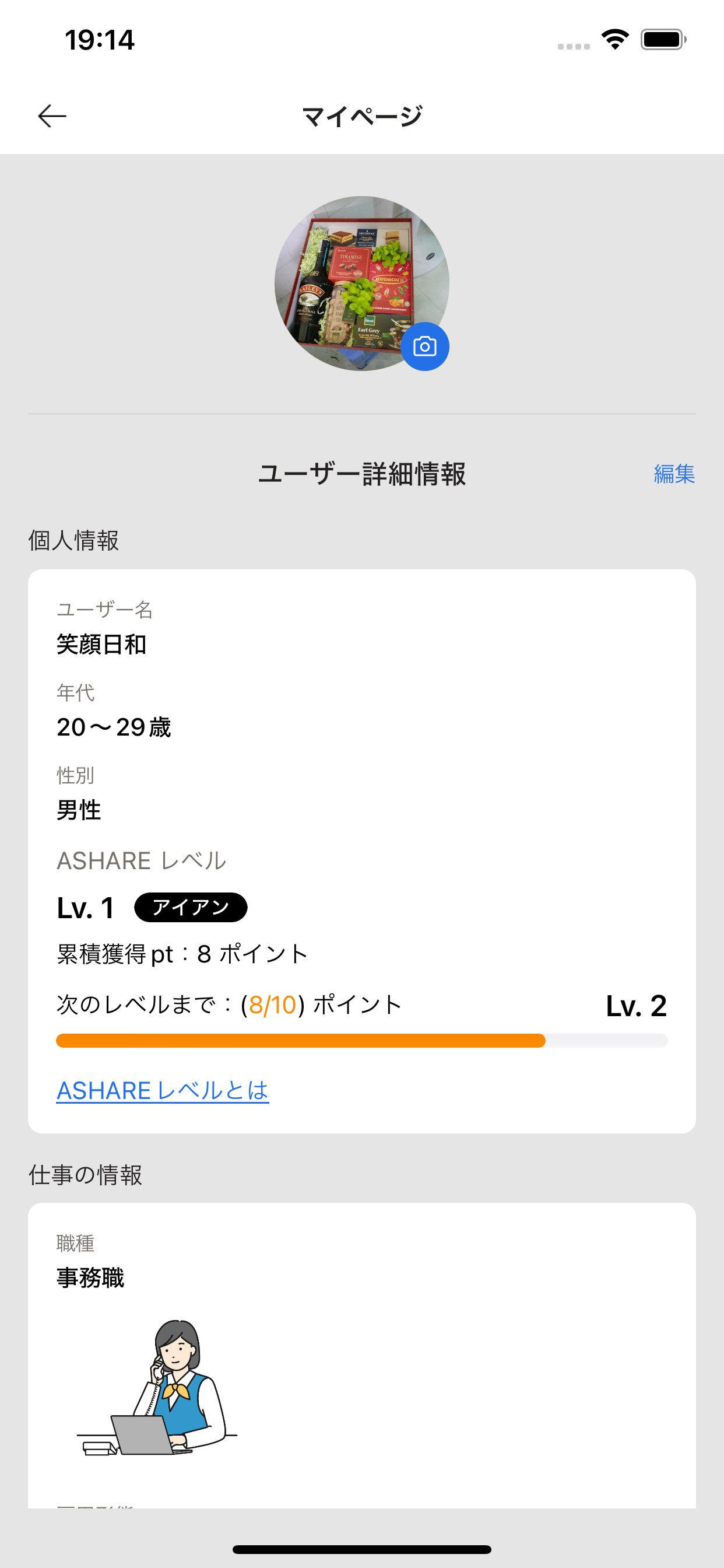
When users register, this application collects email addresses as personally identifiable information. Additionally, when using the application, it retrieves physical activity metrics calculated via device accelerometers and location data. All collected information is securely managed on our web servers.
For details regarding data types and server administration, please review our comprehensive Privacy Policy.
【Important Notice】 (2025.11.05) The Department of Public Health, Kitasato University School of Medicine, uses user log data for research. If you do not consent, please complete the opt-out process. (Lab website page is here)
【Important Notice】 (2026.07.15) The Department of Public Health, Kitasato University School of Medicine, uses user log data for research. If you do not consent, please complete the opt-out process. (Lab website page is here)
Issues
Past issues here ➔Currently, an issue has been reported on some devices where the "Today's Depression and Anxiety Score" defaults to 0.00 points. The technical team is investigating and resolving the issue. We apologize for any inconvenience.
Update (2026.05.11): We restarted the AI server and confirmed score predictions have resumed. If initial forecasts appear slightly lower immediately after restart, please submit feedback via "Is the forecast off?" to calibrate your scores.
We confirmed an issue where "Messages from Salute-kun" were not displaying properly, alongside longer rendering latency for scores due to recent user traffic increases. We apologize for the inconvenience.
Update (2026.02.25): The technical team resolved the bug preventing Salute-kun's messages from rendering. Thank you for your patience as we maintain system stability.
An issue was reported where "Today's Depression and Anxiety Score" defaulted to 0.00 points on certain devices.
Update (2025.12.24): AI server has been restarted, and normal predictions have resumed. Please submit feedback via the app to correct initial algorithms if needed.
Version Release Notes
Past release history here ➔iOS Version
- v4.0.10 (2026.08.14) Resolved an issue where the app would get stuck on the loading screen when HealthKit returned a nil value.
- v4.0.9 (2026.07.13) Refreshed App Store store listing details.
- v4.0.8 (2026.07.06) Added multi-language support (English mode enabled).
- v4.0.7 (2026.05.15) Implemented maintenance mode pop-up functionality.
- v4.0.6 (2026.02.11) Updated YouTube Player library integration.
- v4.0.5 (2025.10.31) Added Salute-kun analytical feature (β version), updated message algorithms, and improved Best Performer load times.
Android Version
- v4.0.10 (2026.07.24) Resolved a language display issue in the English version
- v4.0.9 (2026.06.29) Added multi-language support (English mode enabled).
- v4.0.8 (2026.05.19) Fixed physical activity data retrieval issues.
- v4.0.7 (2026.05.07) Implemented maintenance mode pop-ups and fixed application crash bugs.
- v4.0.6 (2026.03.02) Updated Android SDK compliance (SDK 36) and renewed YouTube Player library.
Contact
Before reaching out: Checking our Frequently Asked Questions (FAQ) page might provide a quick solution!
For login issues, system errors, or general inquiries, feel free to contact us below:
📩 Email: ashareservice [at] gmail.com
*Please replace [at] with @ when sending your email.
App Creators & Funding Information
Creator: Kazuhiro Watanabe (Department of Public Health, Kitasato University School of Medicine)
🍂 Embracing Autumn: Ideal Conditions for Physical Activity As October arrives, the stormy weather of September gives way to refreshing autumn days. Autumn offers the most ideal conditions of the year for exercise. Take advantage of the pleasant weather! 🏃♂️🍁
— アプリ「ASHARE」公式アカウント (@ASHAREService27) October 5, 2026
This application has been developed with the generous support of the following research grants: